
Overview of the Spartan 300 Workout
The Spartan 300 Workout derives from the film 300․ It mandates 300 reps via deadlifts, pull-ups, push-ups, box jumps, and floor wipers for extreme fitness․ This protocol demands discipline maximizing work capacity forging a warrior physique ready for battle․ It builds mental toughness and functional muscle․․․․․․․
Historical Inspiration and Movie Connection
The Spartan 300 Workout originates from the intense physical preparation for Zack Snyder’s 2006 epic film 300, dramatizing the historic Battle of Thermopylae where King Leonidas led 300 Spartans against Xerxes’ vast Persian army in 480 BC․ Celebrity trainer Mark Twight of Gym Jones crafted a savage regimen transforming actors Gerard Butler, Michael Fassbender, David Wenham, and Dominic West into bronze statues of functional power using zero machines, only primitive tools․ The infamous 300-rep challenge—a single-session gauntlet of 25 pull-ups, 50 deadlifts at 135lbs, 50 push-ups, 50 box jumps, 50 floor wipers, and 50 kettlebell clean-and-presses—served as a final graduation rite, not a daily grind, completed in under 20 minutes by the fittest cast․ It embodied the Spartan agoge ethos: suffering shared forges unbreakable unity and arete (virtue)․ Hollywood marketing immortalized this brutal test, linking cinematic myth to measurable fitness benchmarks via viral internet challenges․ The Gym Jones method prioritized relative strength over hypertrophy, demanding bodyweight mastery before external loads․ Nutrition followed a paleo template for performance, stripping fat to reveal muscle․ This holistic approach—mindset, movement, nutrition—created the iconic look․ Furthermore, the challenge became a global phenomenon in garage gyms and CrossFit boxes, spawning variations and testimonials documenting the 300-rep milestone․ It defines elite conditioning and mental armor․ It remains a rite of passage for athletes seeking validation of grit․ Today, athletes globally attempt this volume gauntlet to honor warrior heritage, testing mental limits and work capacity through a protocol born from silver-screen legend and ancient history alike, demanding absolute commitment and resilience!․
Core Training Philosophy
The Spartan 300 Workout philosophy, forged at Gym Jones by Mark Twight, centers on a singular axiom: “Appearance is a consequence of fitness․” This rejects cosmetic isolation training in favor of functional capacity—the ability to perform real-world physical tasks under duress․ Every session prioritizes intensity and power output over comfortable volume, demanding athletes operate at the threshold of failure to expand work capacity․ The methodology utilizes compound, multi-joint movements—deadlifts, pull-ups, Olympic lifts—to elicit a maximal neuroendocrine response, building systemic strength rather than segmented aesthetics․ Mental fortitude is the primary muscle trained; physical suffering is the tool used to forge an unbreakable mindset, echoing the Spartan agoge․ There are no mirrors, no machines, and no ego—only the clock, the load, and the will to continue․ Recovery is earned through disciplined nutrition (paleo/zone principles) and sleep, viewed as essential weapons, not afterthoughts․ Programming is undulating and unpredictable, preparing the athlete for the unknown and unknowable, eliminating routine adaptation․ This holistic approach integrates strength, stamina, speed, power, coordination, agility, balance, and accuracy into a unified expression of human potential․ The goal is not merely to look like a warrior, but to possess the physiological engine of one, capable of sustained high-output effort when consequences are dire․ It demands total commitment and relentless execution daily․ Embrace the grind; suffering forges the unbreakable steel of the true warrior spirit․

Detailed Exercise Breakdown
The official challenge comprises seven brutal movements: 25 pull-ups, 50 deadlifts at 135lbs, 50 push-ups, 50 box jumps, 50 floor wipers, 50 kettlebell clean-and-presses, and 25 pull-ups again․ This sequence totals three hundred repetitions testing full-body power․
Compound Movements and Rep Schemes
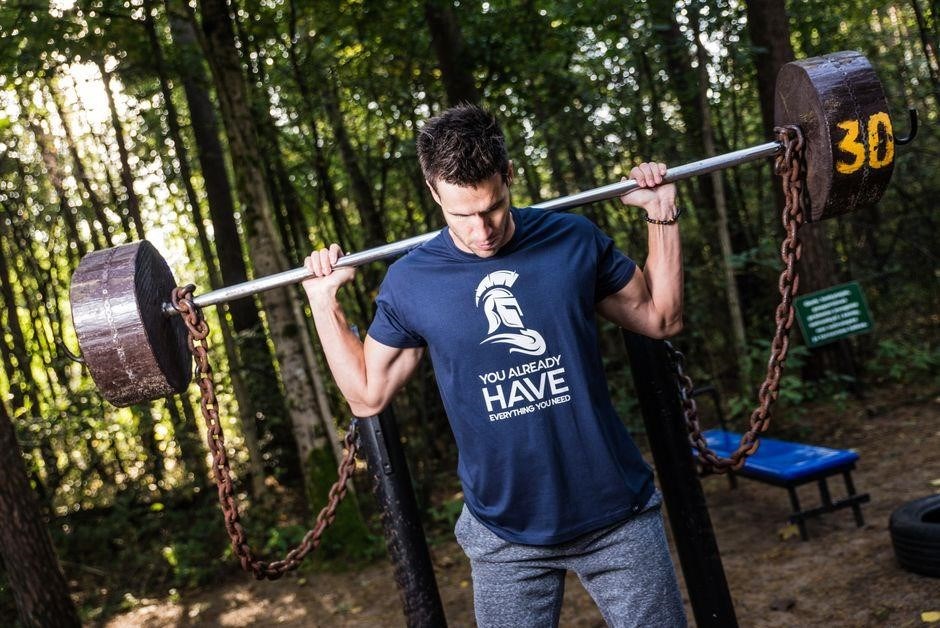
The Spartan 300 protocol relies heavily on multi-joint compound movements to elicit profound systemic fatigue and hormonal response․ The deadlift at 135 pounds (61kg) for 50 repetitions anchors the posterior chain, demanding impeccable hip hinge mechanics and immense grip endurance under metabolic duress․ Following this, the kettlebell clean-and-press (typically 36lb/16kg) for 50 reps integrates explosive triple extension with overhead locking stability, severely taxing cardiovascular output and shoulder resilience․ Floor wipers (50 reps) performed with the same 135lb bar fuse a weighted isometric bench press hold with dynamic leg rotation, brutally crushing the anterior core, obliques, and pectorals․ Box jumps (24-inch box, 50 reps) provide high-impact plyometric power development․ Rep schemes are rigidly prescribed: 25 pull-ups bookend the session as an upper-body pulling anchor, while the four primary lifts are fixed at 50 reps each totaling 200 reps․ Athletes may partition sets strategically (e․g․, 10 sets of 5, 5 sets of 10, or descending ladders) but total volume remains immutable and non-negotiable․ Minimal rest between exercises amplifies metabolic conditioning, driving lactate threshold adaptation, mitochondrial biogenesis, and myofibrillar hypertrophy simultaneously for a complete warrior phenotype․ Originally crafted by Mark Twight at Gym Jones for the 300 movie cast, this loading paradigm prioritizes relative strength and work capacity over absolute maximal loads․ The 135lb deadlift represents a sub-maximal weight enabling high velocity and volume, contrasting powerlifting peaking․ This creates the ultimate test of will power․

Bodyweight and Conditioning Components
The Spartan 300 protocol elevates bodyweight mastery and metabolic conditioning above mere aesthetics, forging a phenotype capable of sustained high-intensity output․ Pull-ups bookend the gauntlet with 25 strict repetitions at the onset and finale, accumulating 50 total reps of vertical pulling that hypertrophy the latissimus dorsi, biceps brachii, and forearm flexors while demanding scapular control under extreme fatigue․ Athletes lacking requisite strength employ band assistance or tempo eccentric negatives to preserve movement integrity without reducing volume․ Push-ups immediately follow the heavy deadlift set, requiring 50 perfect repetitions of horizontal pressing; this brutal sequencing floods the anterior deltoids, triceps, pectorals, and serratus anterior with metabolites, simulating the pressing endurance required in shield-wall combat․ Box jumps onto a 24-inch platform for 50 explosive repetitions constitute the primary plyometric stimulus, training force production, triple extension velocity, and eccentric landing absorption critical for lower-body power and tendon stiffness․ The floor wiper, while loaded with 135lb, functions as a dynamic core conditioning drill forcing synchronized hip flexion, rotation, and anti-extension stabilization under isometric pressing tension․ This relentless density creates a metabolic inferno, skyrocketing EPOC (Excess Post-exercise Oxygen Consumption) and lactate threshold for hours post-training․ The exclusion of steady-state cardio underscores the aerobic-anaerobic continuum stimulus; cast members like Gerard Butler achieved sub-20-minute completions, driving VO2 max adaptations․ Scaling preserves intent: step-ups replace jumps for joint health, ring rows substitute pull-ups for horizontal pulling regression, and load reduction maintains velocity․ This synergy forges a chassis ready for relentless physical confrontation․
Equipment Requirements and Alternatives
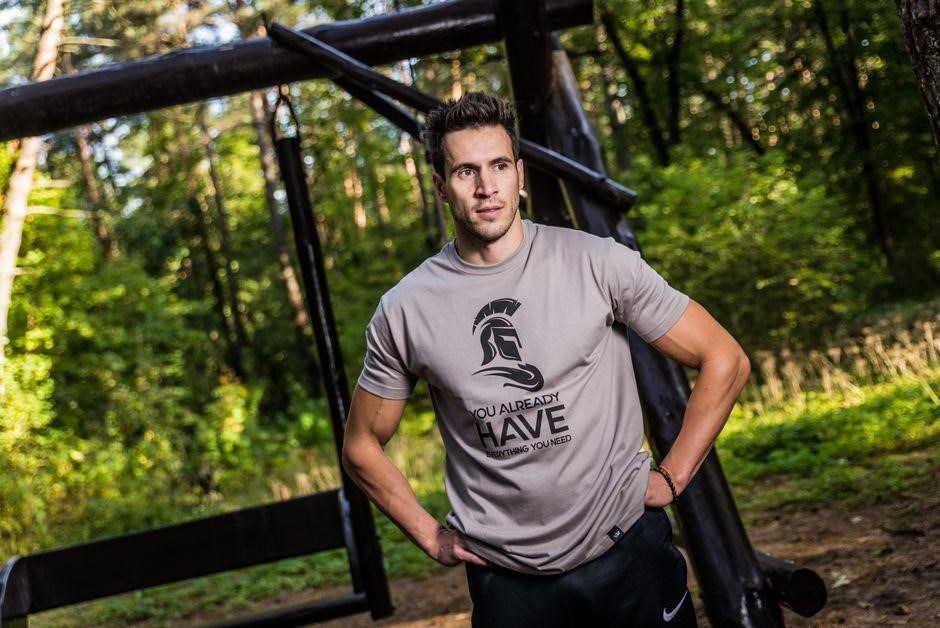
The canonical Spartan 300 workout demands minimal yet highly specific hardware: a 7ft Olympic barbell, bumper plates totaling exactly 135lb (61kg) for deadlifts and floor wipers, a sturdy pull-up bar permitting full elbow extension, and a 24-inch plyometric box rated for repeated dynamic impact absorption․ A flat, non-slip surface protects joints during high-rep box jumps and prone wipers․ For the deadlift, the barbell height necessitates standard 45lb plates; if unavailable, deadlift blocks or jerk boxes elevate the load to mid-shin starting position․ Pull-up alternatives include gymnastic rings for neutral-grip latitude reducing elbow torque, TRX straps for adjustable inverted rows, or lat pulldown machines matching strict rep cadence․ Box jump substitutions encompass weighted step-ups onto a 20-inch bench holding dumbbells, kettlebell swings for posterior-chain power expression, or broad jumps measuring distance when vertical clearance lacks․ Floor wiper loading accepts EZ-curl bars, dumbbells pressed together, or a single kettlebell anchored between feet reducing leverage demand․ Home gym athletes utilize water jugs, sandbags, or backpacks loaded with books approximating 135lb for the hinge pattern; Chalk enhances grip longevity across 100 pulling reps; wrist wraps mitigate extension stress during pressing volume․ Timer apps track rest intervals enforcing density․ Minimalist footwear or barefoot contact optimizes proprioception during jumps and pulls; loose apparel prevents restriction during floor wipers․ Optional weightlifting belt supports lumbar integrity during deadlift sets․ This modularity ensures the 300-rep crucible stays accessible regardless of facility limits preserving the Spartan ethos of improvisation․
Program Structure and Progression
This program structures the 300-rep challenge into phased cycles․ Beginners split reps across sets weekly; advanced athletes attempt unbroken completion․ Periodization manipulates volume and rest intervals․ Recovery days incorporate mobility work ensuring adaptation and preventing overtraining injuries effectively․
Beginner vs Advanced Scheduling
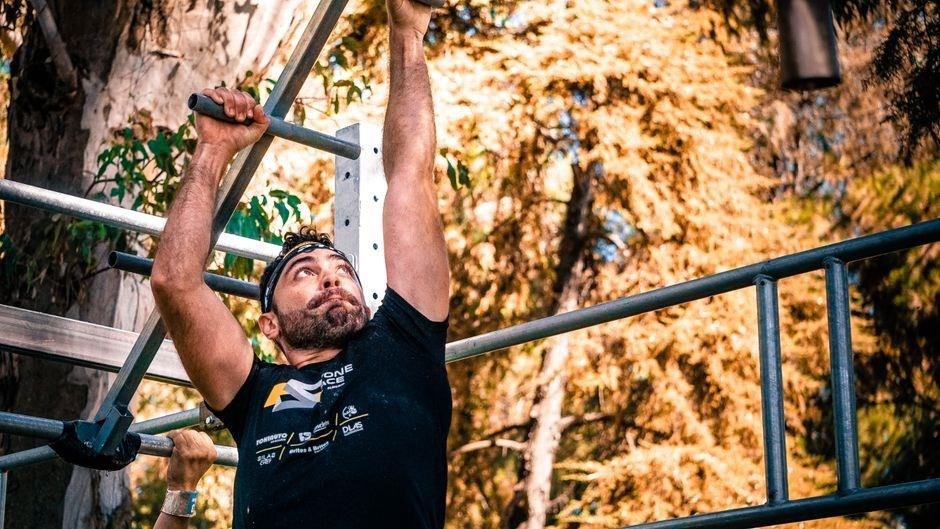
Beginners approaching the Spartan 300 Workout must prioritize movement quality over speed, dividing the 300 total repetitions into manageable daily segments across a full week to build work capacity safely․ A typical novice schedule involves performing the circuit three non-consecutive days, such as Monday, Wednesday, and Friday, completing only 50 to 100 reps per session with extended rest periods between exercises and mandatory dynamic warm-ups․ Intermediate lifters often utilize a two-day split, performing half the volume each session with full recovery between days, gradually increasing density by reducing rest intervals by five seconds weekly until the single-session goal becomes achievable․ This approach builds foundational strength, tendon resilience, and cardiovascular capacity while minimizing the risk of rhabdomyolysis or acute injury․ Conversely, advanced trainees with established work capacity often attempt the full 300-rep gauntlet in a single session, adhering strictly to the original film-inspired sequence: 25 pull-ups, 50 deadlifts at 135 pounds, 50 push-ups, 50 box jumps, 50 floor wipers, 50 kettlebell clean-and-presses, and a final 25 pull-ups․ Elite athletes may repeat this benchmark weekly to track time improvements, incorporating weighted vests or reduced rest intervals for progressive overload․ Both populations benefit from mandatory deload weeks every fourth cycle, focusing on active recovery, mobility drills, and sleep hygiene to consolidate gains․ Tracking split times per exercise identifies specific weaknesses, allowing targeted accessory work during off-days to shore up lagging movement patterns effectively for long-term progress․ Supplementing with creatine supports power output and buffering during sessions․ Hydration and electrolytes prevent cramping totally ok now s․

Periodization and Recovery Strategies
Effective periodization for the Spartan 300 Workout structures training into distinct macrocycles, typically spanning twelve to sixteen weeks, to peak performance while mitigating overtraining risks inherent in high-volume calisthenics and loaded carries․ A preparatory mesocycle emphasizes hypertrophy and connective tissue adaptation using lower intensities and higher rep ranges, gradually introducing the specific movement patterns like floor wipers and box jumps with reduced loads․ The subsequent strength mesocycle shifts focus toward neural drive, employing heavier deadlifts and weighted pull-ups at lower volumes to raise absolute strength ceilings, making the 135-pound deadlift feel relatively lighter during the test․ A final peaking phase replicates the exact challenge parameters weekly, refining pacing strategy and transition efficiency between stations․ Deload weeks occur every fourth week, reducing volume by fifty percent while maintaining intensity to dissipate accumulated fatigue․ Recovery strategies are non-negotiable; athletes must prioritize eight to nine hours of sleep nightly to optimize growth hormone release and central nervous system repair․ Post-session protocols include contrast showers, foam rolling the spine and hips, and static stretching for the posterior chain․ Nutrition requires a caloric surplus with high carbohydrate availability to replenish glycogen depleted by the massive metabolic demand, alongside 1․6 to 2․2 grams of protein per kilogram of body weight for muscle repair․ Supplementation with citrulline malate, beta-alanine, and electrolytes buffers acidosis and sustains power output across the grueling circuit․ Monitoring HRV provides readiness data, allowing daily load adjustment to prevent maladaptation and ensure optimal progression toward the sub-twenty-minute mark․

Accessing and Using the PDF Guide
Download the official Spartan 300 PDF from trusted fitness portals like Muscle & Strength or Gym Jones archives․ Ensure print scaling fits A4 paper․ Use the built-in tracker logs for daily reps, rest intervals, and load progression metrics․ Verify file hash․ Mobile offline helps gym use․ Edit blocks for custom plans․
Download Sources and Print Formatting
The authentic Spartan 300 Workout PDF is primarily hosted on the Gym Jones official website and archived on Muscle & Strength or Bodybuilding․com forums․ Reputable mirrors include CrossFit affiliate resource pages and the Mark Twight training archives․ Avoid unverified third-party uploads which often alter rep schemes or omit crucial warm-up protocols․ Always verify the file size matches the original 2-page layout approximately 400KB․ Check for the Gym Jones logo watermark ensuring authenticity․ Search filetype:pdf “300 workout” for direct links․
For optimal print formatting, open the file in Adobe Acrobat Reader․ Select Actual Size or 100% Scale under Page Sizing & Handling to prevent shrinkage․ Choose Portrait orientation on standard US Letter (8․5×11 in) or A4 paper․ Set margins to 0․5 inches minimum to capture the full exercise table․ Use high-quality grayscale at 300 DPI to save toner while preserving the logo contrast․ Enable Print on Both Sides (Flip on Short Edge) for a compact booklet feel․ Laminate the sheet for gym durability against chalk and sweat․ Consider a heavy cardstock (65lb+) for rigid handling during circuit transitions․ A clipboard with a storage compartment holds the sheet and pen for logging․ Save a copy to cloud storage for mobile access offline․ Adjust bleed settings if borderless printing is desired for a clean edge․
Tip: Export as PNG 300 DPI if blurry․ Store in binder with protectors․ Test print page one verify table alignment before bulk print․
Tracking Progress and Customization Tips
Effective progress tracking transforms the Spartan 300 Workout into a measurable program․ Record the total completion time for all 300 reps; this is the primary benchmark․ Log individual split times per movement (deadlifts, pull-ups, push-ups, box jumps, floor wipers) to identify weak links․ Use a training journal, Google Sheets, or apps like Strong with columns for date, load, rest, RPE, heart rate, and form notes․ Photograph the completed PDF checklist weekly․ Video record sets quarterly to analyze technique breakdown․ Compare times monthly targeting a 5-10% reduction per cycle․ Track power output for objective comparison․ Schedule benchmark attempts to avoid burnout․
For customization, scale the deadlift load to 1․5x bodyweight (advanced) or 0․75x (intermediate); beginners use kettlebell swings, trap bar deadlifts, or dumbbell RDLs․ Substitute strict pull-ups with band-assisted, ring rows, lat pulldowns, or negatives preserving volume․ Reduce box jump height to 20/16 inches or perform step-ups for joint safety․ Modify floor wipers to Russian twists, hanging knee raises, or plank variations if lumbar stress occurs․ Adjust rep partitioning: 10 rounds of 25 reps or 6 rounds of 50 for density․ Implement progressive overload adding 5lbs weekly or cutting rest 15 seconds․ Periodize: 3 weeks on, 1 week deload at 50% volume․ Monitor CNS fatigue; skip session if recovery score drops significantly․ Customize tempo: explosive for power, controlled eccentric for hypertrophy focus․ Adjust grip width on deadlifts (sumo vs conventional) based on leverages․ Use fat grips on pull-ups for forearm development․ Ensure sleep 8hrs and protein 1․8g/kg support adaptation․