
Trifit prioritizes worker well-being, aiming to prevent harm and ensure dignified jobs through this manual; it’s a fundamental principle for all employees.
Purpose and Scope
This Trifit All-in-One Safety Manual serves as a comprehensive guide to proactively managing workplace safety and health, fundamentally protecting lives and preventing injuries, illnesses, and fatalities. Its core purpose is to establish a safe and healthy working environment for every employee, aligning with the ILO’s recognition of this as a fundamental principle.
The scope of this manual encompasses all aspects of hazard identification, risk assessment, prevention, and control measures applicable to all Trifit operations and personnel. It details OSHA standards, emergency preparedness, and the implementation of robust safety programs. This document aims to minimize risks, ensure compliance, and foster a culture of safety consciousness throughout the organization, ultimately reducing suffering and financial hardship associated with workplace incidents.
Target Audience
This Trifit All-in-One Safety Manual is specifically designed for all individuals associated with Trifit operations, including but not limited to: all employees – regardless of position or tenure – supervisors, managers, safety personnel, and contractors. It’s crucial reading for anyone performing work under Trifit’s direction or on Trifit premises.
The manual’s content is tailored to be accessible and understandable to individuals with varying levels of safety knowledge and experience. It provides essential information for recognizing hazards, understanding safety protocols, and actively participating in maintaining a safe work environment. Furthermore, it supports effective communication between employers, workers, and safety professionals, ensuring everyone contributes to a culture of safety and well-being within Trifit.

Understanding Workplace Hazards
Trifit emphasizes proactive hazard management, identifying risks to prevent injuries, illnesses, and incidents, ultimately fostering safer and healthier working conditions for everyone.
Hazard Identification
Trifit’s commitment to safety begins with meticulous hazard identification, a cornerstone of proactive risk management. This involves systematically recognizing potential sources of harm within the workplace, encompassing everything from equipment malfunctions and unsafe conditions to work practices that could lead to injury or illness.
Effective hazard identification isn’t a one-time event; it’s an ongoing process requiring constant vigilance and employee participation. Regular workplace inspections, coupled with thorough incident investigations, are crucial for uncovering hidden dangers. Employees are encouraged to report any unsafe conditions or near misses without fear of reprisal, fostering a culture of open communication and shared responsibility.
Furthermore, Trifit utilizes hazard checklists and job hazard analyses (JHAs) to systematically evaluate tasks and identify potential hazards associated with each step. This detailed approach ensures that no potential risk is overlooked, laying the foundation for effective control measures.
Risk Assessment
Following hazard identification, Trifit employs a robust risk assessment process to evaluate the severity and likelihood of potential harm. This isn’t simply about identifying dangers; it’s about understanding the potential consequences and prioritizing control efforts accordingly. Each identified hazard is analyzed based on factors like the potential for injury, the number of employees exposed, and the frequency of exposure.
Trifit utilizes a standardized risk matrix to categorize risks as low, medium, or high, enabling a clear prioritization of corrective actions. High-risk hazards demand immediate attention and implementation of effective control measures, while medium-risk hazards require timely intervention. Even low-risk hazards are addressed to prevent escalation and maintain a consistently safe working environment.
This assessment is a dynamic process, regularly reviewed and updated to reflect changes in work processes, equipment, or regulations, ensuring Trifit’s safety protocols remain current and effective.
Types of Workplace Hazards
Trifit recognizes a diverse range of workplace hazards requiring proactive management. These hazards broadly fall into four categories: physical, chemical, biological, and ergonomic. Physical hazards include noise, temperature extremes, and slips/trips/falls – common sources of injury. Chemical hazards encompass exposure to harmful substances like solvents, acids, or dusts, demanding careful handling and ventilation.
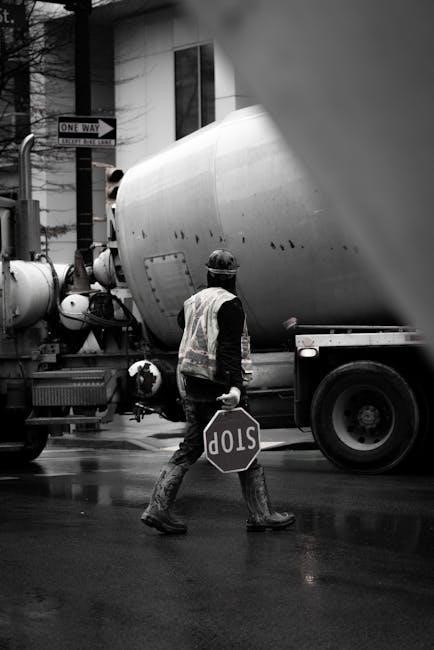
Biological hazards, prevalent in certain industries, involve exposure to bacteria, viruses, or fungi, necessitating strict hygiene protocols. Ergonomic hazards stem from poorly designed workstations or repetitive tasks, leading to musculoskeletal disorders. Trifit emphasizes comprehensive hazard identification to address each type effectively.
Understanding these distinctions is crucial for implementing targeted control measures and safeguarding employee health and well-being, aligning with Trifit’s commitment to a safe work environment.
Physical Hazards
Trifit identifies physical hazards as prevalent risks demanding immediate attention. These encompass environmental factors like excessive noise levels, potentially causing hearing damage, and extreme temperatures – both heat and cold – leading to stress or illness. Slips, trips, and falls represent a significant concern, often stemming from uneven surfaces or obstructions.
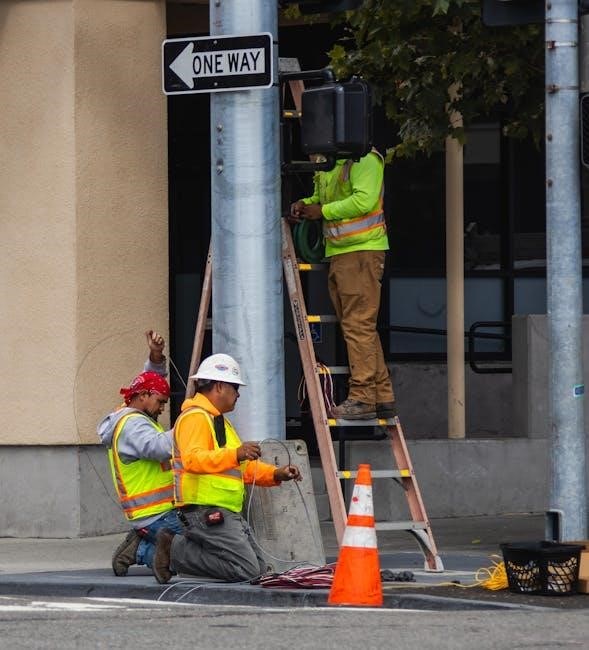
Additionally, Trifit acknowledges hazards related to radiation, electrical sources, and moving machinery. Proper guarding, insulation, and regular inspections are vital for mitigating these risks. Maintaining adequate lighting and ventilation also falls under physical hazard control.
Proactive measures, including hazard assessments and employee training, are essential to minimize exposure and prevent incidents, reinforcing Trifit’s dedication to a secure workplace.
Chemical Hazards
Trifit recognizes chemical hazards as a critical safety concern, encompassing exposure to harmful substances through inhalation, skin contact, or ingestion. These hazards range from cleaning agents and solvents to industrial chemicals and gases. Proper labeling, storage, and handling procedures are paramount to prevent adverse health effects.
Trifit emphasizes the importance of Safety Data Sheets (SDS), providing comprehensive information on chemical properties, hazards, and necessary precautions. Ventilation systems play a crucial role in minimizing airborne concentrations, while appropriate personal protective equipment (PPE), such as gloves and respirators, offers a barrier against exposure.
Regular training and hazard communication programs ensure employees understand the risks and can safely work with chemicals, upholding Trifit’s commitment to a healthy work environment.
Biological Hazards
Trifit acknowledges biological hazards as risks stemming from exposure to living organisms – bacteria, viruses, fungi, and parasites – potentially causing illness or infection. These hazards are prevalent in various workplaces, particularly those involving handling of bodily fluids, working with animals, or exposure to contaminated materials.
Trifit prioritizes stringent hygiene practices, including regular handwashing, proper disinfection of surfaces, and safe handling of biohazardous waste. Implementing robust infection control measures, such as vaccination programs and the use of appropriate PPE (gloves, masks, eye protection), is crucial.
Comprehensive training on recognizing, evaluating, and controlling biological hazards ensures employees understand the risks and can protect themselves and others, reinforcing Trifit’s dedication to a safe and healthy workplace.
Ergonomic Hazards
Trifit recognizes ergonomic hazards as workplace conditions that pose a risk of musculoskeletal disorders (MSDs) – injuries affecting muscles, nerves, tendons, ligaments, joints, cartilage, and spinal discs. These hazards arise from repetitive motions, awkward postures, forceful exertions, and prolonged static positions.
Trifit emphasizes proactive measures like workstation assessments to identify and mitigate ergonomic risks. Adjusting workstation height, providing supportive chairs, and implementing job rotation schedules are key strategies. Employee training on proper lifting techniques, posture, and the importance of regular breaks is paramount.
By prioritizing ergonomic principles, Trifit aims to minimize employee discomfort, reduce the incidence of MSDs, and foster a more comfortable and productive work environment, demonstrating a commitment to long-term employee well-being.

Hazard Prevention and Control
Trifit employs effective controls to protect workers, avoiding injuries and illnesses while minimizing risks and providing safe, healthful working conditions.

Hierarchy of Controls
Trifit utilizes a prioritized approach to hazard control, beginning with the most effective methods. Elimination physically removes the hazard, offering the highest level of protection. When elimination isn’t feasible, Substitution replaces the hazardous substance or process with a safer alternative.
Engineering Controls isolate people from the hazard, like machine guarding or ventilation systems. Next, Administrative Controls establish work practices such as training, procedures, and scheduling to reduce exposure.
Finally, Personal Protective Equipment (PPE), while essential, is the last line of defense, protecting workers when other controls are insufficient. This tiered system ensures a proactive and comprehensive safety strategy, minimizing workplace risks and fostering a secure environment for all Trifit personnel.
Elimination
Trifit’s highest priority in hazard control is Elimination – the complete removal of the hazard from the workplace. This is the most effective method, preventing exposure and associated risks entirely. For example, if a process requires a dangerous chemical, Elimination would involve redesigning the process to avoid its use altogether.
This proactive approach requires careful evaluation of work processes and a commitment to finding alternative solutions. While not always possible, Elimination should always be the first consideration when addressing workplace hazards. It demonstrates Trifit’s dedication to providing the safest possible working conditions, preventing injuries, illnesses, and potential incidents before they occur.
Substitution

When Elimination isn’t feasible, Trifit employs Substitution – replacing a hazardous substance or process with a less dangerous one. This involves identifying alternatives that pose a reduced risk to worker safety and health. For instance, switching from a solvent-based cleaner to a water-based alternative minimizes chemical exposure.
Effective Substitution requires thorough research and evaluation to ensure the replacement doesn’t introduce new, unforeseen hazards. Trifit prioritizes selecting substitutes that are demonstrably safer and equally effective for the intended purpose. This control method actively minimizes risks, contributing to a healthier and more secure work environment for all employees, aligning with proactive safety measures.
Engineering Controls
Trifit utilizes Engineering Controls to isolate workers from hazards, focusing on physical changes to the workplace. These controls are preferred as they don’t rely on worker behavior and offer robust protection. Examples include installing machine guarding to prevent contact with moving parts, or implementing ventilation systems to remove airborne contaminants.
Effective Engineering Controls require careful design and regular maintenance to ensure continued functionality. Trifit invests in these solutions to proactively minimize risks, creating a safer work environment. This approach reduces exposure to hazards, supporting a healthier workforce and preventing potential injuries, illnesses, and incidents, aligning with OSHA’s recommended practices.
Administrative Controls
Trifit employs Administrative Controls to establish safe work practices, reducing exposure to hazards through policies, procedures, and training. These controls focus on changing worker behavior, requiring consistent implementation and reinforcement. Examples include implementing safety training programs, rotating job tasks to reduce repetitive strain, and establishing clear lockout/tagout procedures for equipment maintenance.
Effective Administrative Controls necessitate strong communication and employee involvement. Trifit prioritizes regular safety stand-downs, providing direct interaction between management and workers to discuss potential hazards and reinforce safe practices. These proactive measures minimize risks, fostering a culture of safety and aligning with OSHA’s guidelines for comprehensive safety programs.
Personal Protective Equipment (PPE)
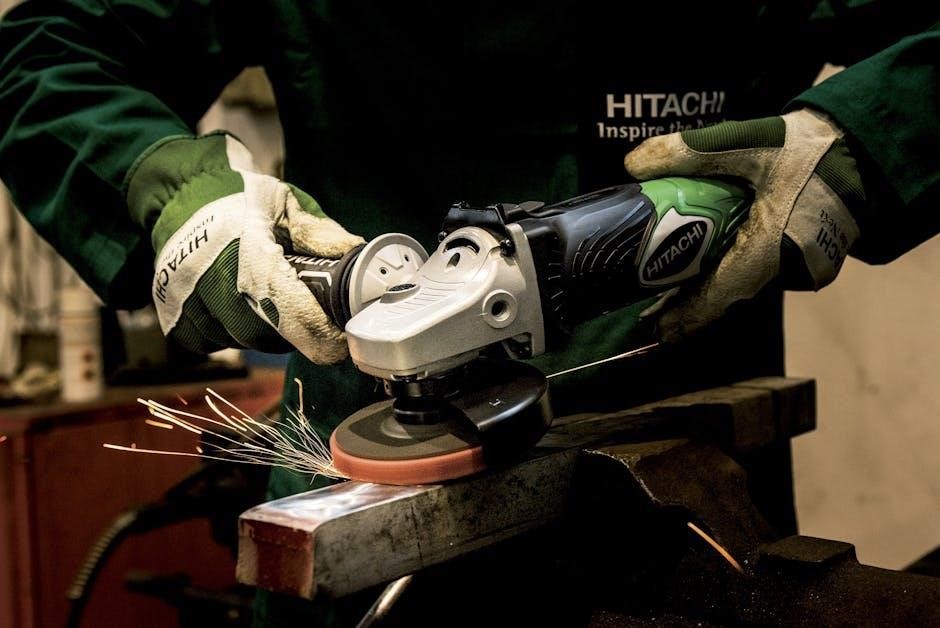
Trifit recognizes Personal Protective Equipment (PPE) as the last line of defense, utilized when other hazard controls are insufficient. Proper selection, fit, and consistent use of PPE are crucial for worker safety. This includes items like safety glasses, gloves, respirators, and protective footwear, tailored to specific job hazards.
Trifit provides comprehensive training on PPE usage, maintenance, and limitations. Employees are responsible for inspecting equipment before each use and reporting any defects immediately; While PPE minimizes exposure, it doesn’t eliminate the hazard itself; therefore, Trifit prioritizes implementing higher-level controls whenever feasible, aligning with OSHA standards and promoting a proactive safety culture.
OSHA Standards and Regulations
Trifit adheres to OSHA’s Act of 1970, enforcing workplace safety and health standards across construction, general industry, and other sectors.
The Occupational Safety and Health Act of 1970
Trifit fully recognizes the monumental impact of the Occupational Safety and Health Act of 1970, a landmark piece of legislation that fundamentally reshaped workplace safety in the United States. This Act created the Occupational Safety and Health Administration (OSHA), empowering it with the crucial mandate to establish and rigorously enforce protective workplace safety and health standards.
Prior to 1970, workplace safety was largely unregulated, leaving countless workers vulnerable to preventable injuries, illnesses, and even fatalities. The Act addressed this critical gap by ensuring employers are legally obligated to provide a safe and healthful working environment for their employees. Trifit’s commitment to safety is directly rooted in the principles enshrined within this Act, striving to exceed compliance and foster a proactive safety culture.
The Act’s provisions cover a vast spectrum of industries and hazards, ensuring comprehensive protection for the American workforce. It’s a cornerstone of Trifit’s operational philosophy, guiding our safety programs and training initiatives.
Industry-Specific Standards (Construction, General Industry)
Trifit acknowledges that workplace safety isn’t one-size-fits-all; it demands tailored approaches based on specific industry risks. OSHA’s development of industry-specific standards – notably for construction, agriculture, maritime, and general industry – reflects this crucial understanding. These standards aren’t merely guidelines; they are legally enforceable regulations designed to mitigate hazards unique to each sector.
For Trifit, this means a deep dive into the specific requirements applicable to our operations. Construction standards address dangers like falls, struck-by hazards, and trenching collapses, while general industry standards cover machine guarding, chemical exposure, and electrical safety. We meticulously integrate these standards into our safety programs, ensuring our employees receive targeted training and utilize appropriate protective measures.
Compliance isn’t simply about avoiding penalties; it’s about safeguarding our workforce and upholding Trifit’s commitment to a zero-incident workplace. Continuous monitoring and adaptation to evolving standards are paramount.

Safety Programs and Training
Trifit develops comprehensive safety programs proactively managing workplace health, preventing injuries, and minimizing risks through robust employee training initiatives.
Developing a Comprehensive Safety Program
Trifit’s commitment to safety begins with a proactive, meticulously developed program designed to safeguard all personnel. This program isn’t merely a set of rules, but a deeply ingrained culture prioritizing prevention of workplace injuries, illnesses, and fatalities. A successful program necessitates thorough hazard identification and risk assessment, forming the bedrock of control strategies.
Effective controls, as outlined by OSHA’s recommended practices, are crucial. These range from eliminating hazards entirely to implementing robust personal protective equipment (PPE) protocols. Regular safety stand-downs, offering direct communication between employers and employees, reinforce the importance of fall prevention and overall safety awareness. The program must be regularly reviewed and updated, adapting to evolving workplace conditions and incorporating lessons learned from any incidents. Documentation is paramount, ensuring transparency and accountability throughout the entire process. Ultimately, Trifit aims to foster a workplace where safety is not just a priority, but a core value.
Employee Safety Training
Trifit believes comprehensive employee safety training is the cornerstone of a secure work environment. This training extends beyond simply outlining rules; it empowers personnel to proactively identify hazards and implement preventative measures. Initial onboarding must cover fundamental safety principles, hazard communication, and emergency procedures, tailored to specific job roles.
Ongoing training is equally vital, reinforcing best practices and addressing new risks as they emerge. Utilizing safety stand-downs provides opportunities for direct engagement, fostering open communication about potential concerns. Training should cover proper use of PPE, safe operation of equipment, and reporting procedures for incidents. Trifit emphasizes a culture of continuous learning, ensuring all employees possess the knowledge and skills to protect themselves and their colleagues. Effective training minimizes risks, reduces incidents, and cultivates a workforce dedicated to safety excellence.
Safety Stand-Downs
Trifit actively promotes Safety Stand-Downs as a vital component of our proactive safety culture. These voluntary events offer a dedicated time for direct communication between employers and employees, focusing specifically on hazard awareness and prevention. Any Trifit workplace can implement a stand-down, pausing regular operations to concentrate on critical safety topics, such as fall hazards and their mitigation.
The goal isn’t simply to deliver information, but to reinforce the importance of safety protocols and encourage open dialogue. Stand-downs provide a platform for employees to voice concerns, share best practices, and collectively strengthen our commitment to a safe working environment. Trifit views these events as an investment in our workforce, demonstrating a genuine dedication to protecting our team and fostering a culture where safety is paramount. Regular stand-downs contribute to a more vigilant and proactive safety mindset.

Emergency Preparedness and Response
Trifit emphasizes comprehensive Emergency Action Plans, alongside readily available First Aid and CPR training, to ensure swift and effective responses to unforeseen incidents.
Emergency Action Plans
Trifit’s Emergency Action Plans (EAPs) are meticulously designed protocols outlining procedures for various potential emergencies, ensuring a swift and coordinated response. These plans detail evacuation routes, assembly points, and communication strategies, clearly assigning roles and responsibilities to personnel.
Regular drills and simulations are crucial components, familiarizing employees with the EAPs and identifying areas for improvement. The plans must address foreseeable hazards specific to Trifit’s operations, including fire, medical emergencies, and natural disasters.
Accessibility is paramount; EAPs should be readily available to all employees, with clear and concise instructions. Furthermore, the plans must comply with all relevant OSHA regulations and be regularly reviewed and updated to reflect changes in the workplace or emergency procedures. Effective EAPs minimize confusion, reduce risk, and ultimately, protect lives.
First Aid and CPR
Trifit recognizes the critical importance of immediate medical intervention in emergency situations. Therefore, comprehensive First Aid and Cardiopulmonary Resuscitation (CPR) training is a cornerstone of our safety program. Designated employees will receive certification from accredited providers, equipping them with the skills to provide initial care until professional medical help arrives.
Strategically located First Aid kits, fully stocked with essential supplies, will be readily accessible throughout all Trifit facilities. Regular inspections ensure kit contents are current and complete.
Employees are encouraged to familiarize themselves with the location of these kits and the identities of trained personnel. Prompt and effective First Aid and CPR can significantly reduce the severity of injuries and potentially save lives, reinforcing Trifit’s commitment to employee well-being.